Common Causes of Damage in Brick, Stone, and Block Walls
Understanding common causes of damage in brick, stone, and block walls helps homeowners identify issues, and local contractors can provide expert repair solutions.
Understanding the common causes of damage in brick, stone, and block walls is essential for property owners looking to maintain the integrity and appearance of their structures. Over time, issues such as water infiltration, freeze-thaw cycles, and improper installation can lead to cracks, deterioration, or even structural failure. Recognizing these potential problems early can help prevent more extensive and costly repairs down the line. For those in the area, exploring this topic provides valuable insights into how these walls can be affected and highlights the importance of professional repair services that specialize in restoring and strengthening such masonry features.
Property owners often find that addressing damage caused by environmental factors or construction flaws is a practical step toward preserving their property’s value and safety. Local contractors experienced in brick, stone, and block wall repair are equipped to diagnose the root causes of damage and implement effective solutions. Continuing to read can help you better understand common issues and how skilled service providers can assist in maintaining durable, attractive walls that stand the test of time.
- Brick wall repair - needed when mortar joints deteriorate due to moisture infiltration, with local contractors specializing in tuckpointing and repointing.
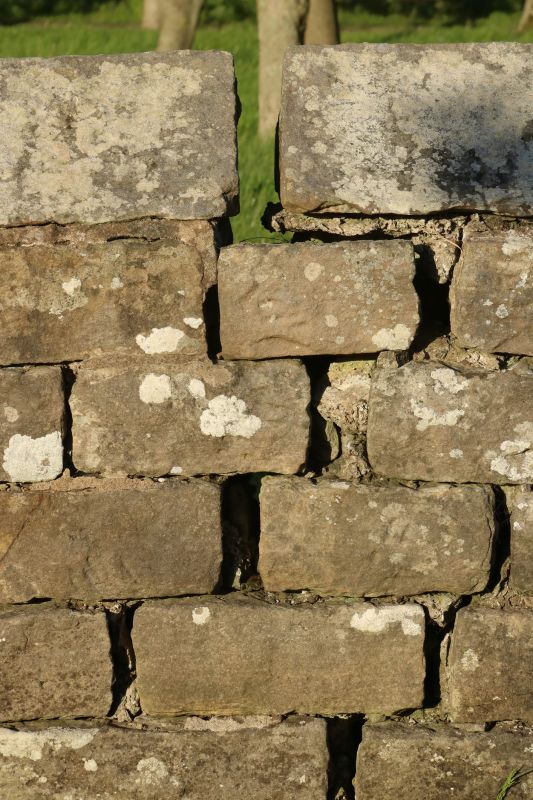
- Stone wall repair - required after freeze-thaw cycles cause cracking or shifting, with service providers using careful stone replacement techniques.
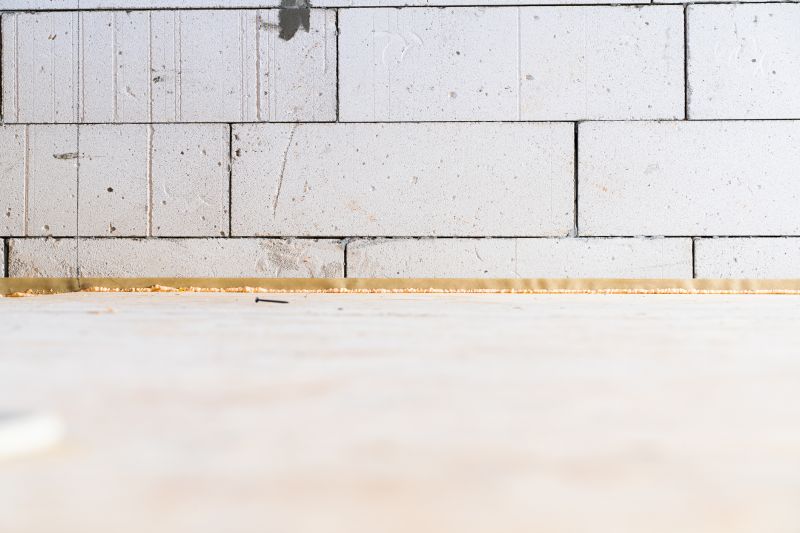
- Block wall repair - necessary when foundation settling leads to bowing or cracking, with local pros assessing structural stability and performing necessary reinforcements.
- Brick wall repair - needed when efflorescence appears from water penetration, with contractors applying moisture barriers and cleaning techniques.
- Stone wall repair - essential following damage from root intrusion or shifting soil, with local specialists restoring stability and addressing underlying issues.
When people search for information about common causes of damage in brick, stone, and block walls, they often want to understand why their walls may be showing signs of deterioration or structural issues. This topic relates to a variety of problems that can compromise the integrity, appearance, and safety of these types of walls. Homeowners might notice cracks, crumbling mortar, or discoloration and seek explanations to determine whether repairs are needed. Many are also interested in preventative measures or maintenance tips to avoid future damage, making this a relevant concern for those caring for older properties or structures exposed to harsh weather conditions.
The problems associated with damage in brick, stone, and block walls often stem from issues such as moisture infiltration, settling, or improper installation. Water is a primary culprit, as it can seep into cracks or porous materials, leading to freeze-thaw cycles that expand and worsen the damage. Structural settling or shifting of a property can cause stress on the walls, resulting in cracks or bulges. Additionally, poor-quality mortar or inadequate joint filling can weaken the overall stability. Understanding these common causes helps homeowners recognize early warning signs and plan for repairs, often with the assistance of experienced service providers who specialize in wall restoration.
Certain types of properties are more prone to damage in brick, stone, and block walls. Older homes, especially those built before modern building codes, often face challenges related to outdated construction methods or materials. Commercial buildings with heavy loads or exposed environments may also experience more frequent issues. Properties located in areas with significant weather variations-such as freeze-thaw cycles, heavy rainfall, or high humidity-are particularly vulnerable to moisture-related damage. Whether it’s a historic residence, a commercial storefront, or a residential multi-family complex, understanding the property type helps determine the most common causes of damage and guides the selection of the right local contractors for repairs.
Recognizing the common causes of damage in brick, stone, and block walls is essential for homeowners seeking to maintain the durability and appearance of their properties. Local service providers specializing in wall repair are equipped to diagnose these issues accurately and recommend appropriate solutions. Whether the damage results from moisture intrusion, structural movement, or poor construction practices, experienced contractors can perform the necessary repairs to restore stability and prevent further deterioration. Connecting with these local pros ensures that property owners receive tailored advice and quality workmanship to address the specific causes affecting their walls.
Masonry Restoration Projects - these projects involve repairing and restoring historic or damaged brick, stone, and block structures, requiring skills similar to addressing common causes of damage in these walls.
Foundation Repair Services - foundation issues can lead to cracks and movement in walls, making foundation repair work relevant for addressing structural damage caused by common wall problems.
Waterproofing and Drainage Projects - preventing water intrusion is essential to avoid damage in brick, stone, and block walls, and local contractors often handle these protective systems.
Chimney Repair and Restoration - chimneys are exposed to similar environmental stresses as walls, and repairs often involve addressing cracks and deterioration caused by moisture and temperature changes.
Retaining Wall Construction and Repair - these projects share techniques for managing pressure and preventing damage, making them related to maintaining the integrity of brick, stone, and block walls.
Exterior Wall Coating and Sealing Services - applying protective coatings helps prevent damage from moisture and weather, a key aspect of maintaining durable brick, stone, and block walls.
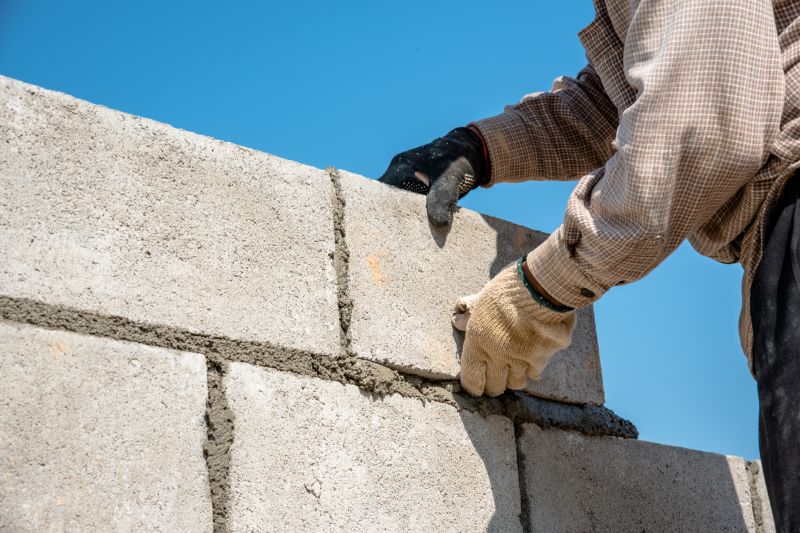
When evaluating contractors for brick, stone, and block wall repairs, it is important to consider their experience with similar projects. An experienced service provider will have a thorough understanding of common causes of damage in these types of walls, such as settling, moisture infiltration, or freeze-thaw cycles, and will be familiar with effective repair techniques. Homeowners should seek out reputable references or reviews that highlight their success in handling issues related to these common problems, ensuring the contractor has a proven track record of delivering quality results on projects comparable to their needs.
Clear written expectations are essential when comparing local contractors for wall repair services. A detailed scope of work, including assessment of damage causes, recommended repair methods, and any preventative measures, helps ensure all parties have a shared understanding of the project. Homeowners should look for service providers who can articulate their approach in writing, providing transparency and reducing potential misunderstandings. This clarity can also serve as a basis for discussing warranties or guarantees related to the repair work.
Effective communication is a key factor in choosing a reliable service provider for brick, stone, and block wall repairs. Contractors who listen carefully to concerns, ask insightful questions, and explain their recommendations in understandable terms tend to foster better working relationships. Good communication allows homeowners to feel confident that the service provider understands the specific issues caused by common wall damage factors and can tailor solutions accordingly. Ultimately, selecting a contractor who maintains open, honest dialogue can lead to a smoother repair process and more durable results.
Property owners often search for common causes of damage in brick, stone, and block walls when they are planning practical projects around their homes and businesses. Local pros provide Brick, Stone, and Block Wall Repair services for everyday jobs and straightforward project options.
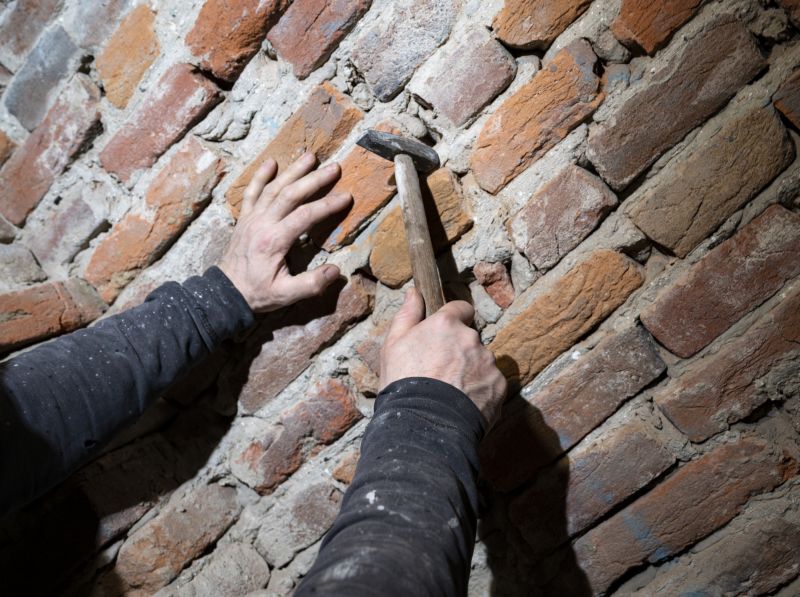
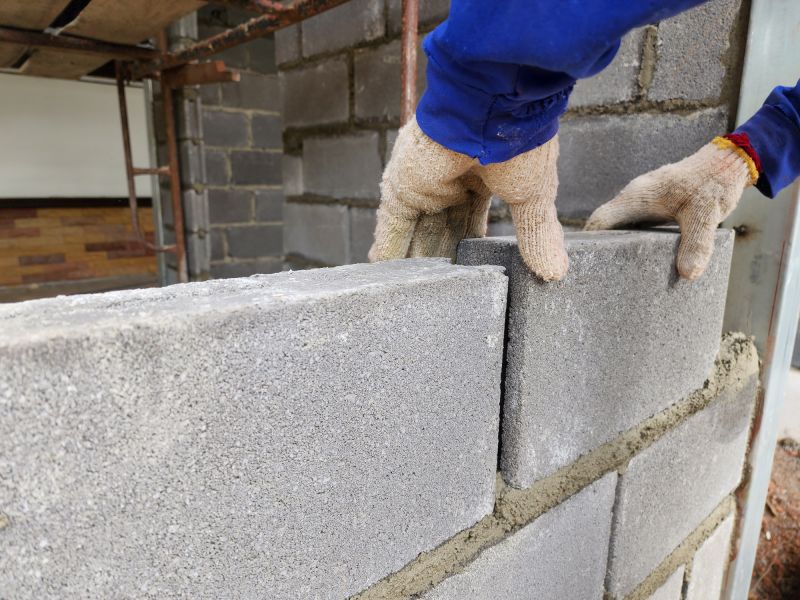
Understanding the common causes of damage in brick, stone, and block walls can help property owners recognize potential issues early. Everyday situations such as exposure to harsh weather conditions, including heavy rain, freeze-thaw cycles, and temperature fluctuations, can lead to deterioration over time. Additionally, poor drainage around the property can cause water to seep into wall materials, resulting in cracks, erosion, or mortar deterioration. When these issues arise, local contractors specializing in brick, stone, and block wall repair are equipped to assess the damage and recommend appropriate solutions to restore stability and appearance.
Other frequent causes of damage include structural shifts or settling of the foundation, which can create stress on the walls and lead to cracks or bulging. Improper installation or the use of substandard materials in construction can also contribute to early deterioration. Over time, biological growth like moss or mold, along with physical impacts from accidents or landscaping activities, can further weaken these walls. Property owners noticing signs of damage often turn to local service providers who offer repair and restoration services, helping to address these common issues before they worsen.
What are common causes of damage in brick, stone, and block walls? Common causes include water infiltration, freeze-thaw cycles, structural movement, poor construction, and exposure to harsh weather conditions, which can all lead to cracks, deterioration, or bulging walls.
How does water infiltration damage brick, stone, and block walls? Water can seep through cracks or porous materials, causing internal weakening, mortar deterioration, and potential freeze-thaw damage, especially in colder climates, which local contractors can repair and prevent.
Can structural movement cause damage to these walls? Yes, settling or shifting of the foundation can lead to cracks, bulging, or leaning walls, and experienced service providers can assess and address these issues to restore stability.
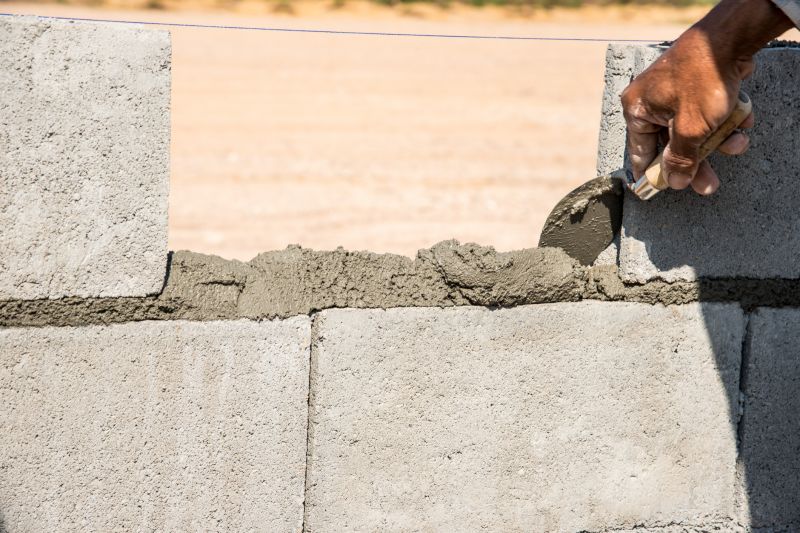
What role does poor construction play in wall damage? Improper mortar application, inadequate joint sealing, or substandard materials during construction can lead to early deterioration and structural weaknesses, which local pros can repair or reinforce.
How do weather conditions contribute to damage in brick, stone, and block walls? Exposure to freeze-thaw cycles, heavy rain, and temperature fluctuations can cause expansion, contraction, and erosion, making regular repairs necessary to maintain wall integrity.
Water infiltration issues - Property owners can identify areas where water may seep into walls and seek local contractors to seal cracks or apply waterproofing treatments.
Freeze-thaw damage - Understanding how temperature changes affect brick, stone, and block walls encourages timely repairs by local service providers to prevent cracking.
Structural shifting or settling - Recognizing signs of foundation movement allows property owners to work with local pros to reinforce or stabilize walls before further damage occurs.
Poor construction or mortar deterioration - Regular inspections can help identify mortar or joint failures, prompting repairs by local contractors to maintain wall integrity.
If you are thinking about common causes of damage in brick, stone, and block walls for a property, this guide is meant to help you understand this topic, the typical project types, and how different options might fit your plans.
When you are ready, you can use the quote form on this page to share a few details about your project. From there, local pros can review the basics and follow up with options that match what you have in mind.